Data Center Intelligent Fresh Air and Efficient Cooling Integrated Solution Design Guide
A comprehensive engineering framework for designing, deploying, and operating efficient, reliable, and intelligent data center environmental control systems
System Overview
This Design Guide for Data Center Intelligent Fresh Air and Efficient Cooling Integrated Solutions aims to provide a complete engineering framework for the design, deployment, and operation of efficient, reliable, and intelligent data center environmental control systems. The core objective of the solution is to maximize the reduction of mechanical cooling energy consumption through efficient utilization of outdoor fresh air and precise on-demand distribution of indoor cooling, while ensuring that the IT equipment operating environment strictly meets standards, significantly improving Power Usage Effectiveness (PUE), and enhancing the level of intelligent operation and maintenance.
The applicable scope and boundaries include newly built or retrofitted medium to large-scale (≥200 cabinets) internet, financial, and enterprise-level data centers. The solution boundary covers the complete air treatment and distribution chain from outdoor fresh air intake to indoor air supply terminals (including dampers, ducts, air conditioners, fan walls, etc.), as well as the supporting intelligent monitoring and control systems.
This solution is not applicable to extreme climate regions (such as perennially cold or hot and humid areas) where special climate adaptability design has not been implemented, or special laboratory environments with ultra-precise humidity control requirements (such as ±3% RH). The system inputs include outdoor air, electrical power, and control signals, while outputs include cooling air that meets temperature, humidity, cleanliness, and positive pressure requirements, as well as system operational status, energy consumption, and alarm data.
Core Values
- Stable and Reliable: Based on N+1 redundancy and intelligent control logic, ensuring 7x24 continuous stable operation
- High Efficiency and Energy Saving: Utilizing natural cooling (Free Cooling) and precise air supply to drive PUE below 1.35
- Intelligent and Maintainable: Panoramic visualization, predictive maintenance, and rapid fault location, reducing operational complexity and labor costs
- Smooth Expansion: Modular design supports on-demand expansion, protecting initial investment
- Life Cycle Cost (LCC) Optimization: Achieving optimal TCO through high efficiency and low operational costs
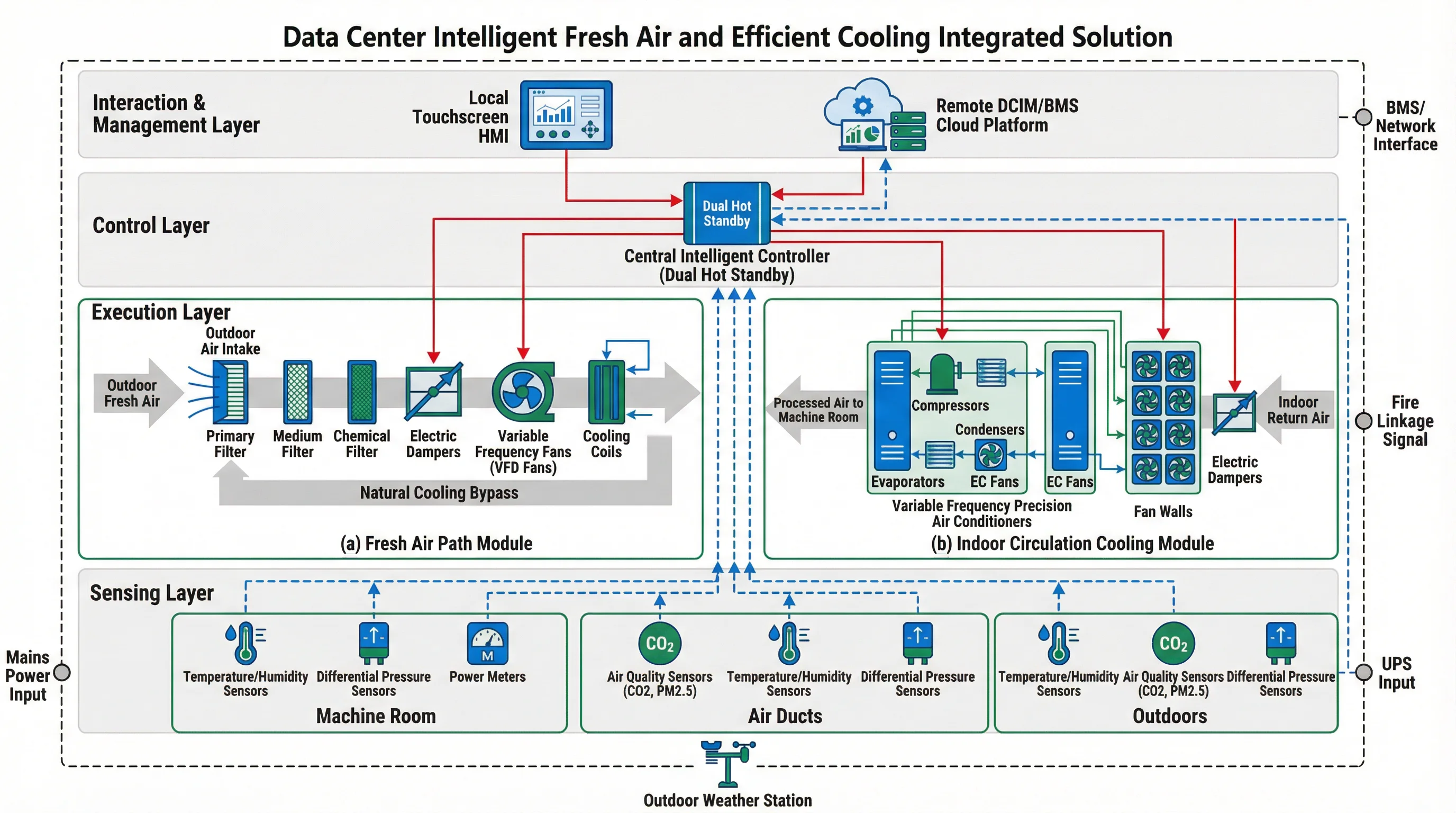
Figure 1.1: Overall System Architecture - Layered Structure from Sensing to Execution to Control
Key Dependencies
The system relies on stable and reliable mains power and UPS supply, distribution systems that meet capacity requirements, Building Management System (BMS) or Data Center Infrastructure Management (DCIM) network interfaces for system linkage, and compliant fire protection and lightning grounding systems. The typical delivery results include a complete physical system and software platform that can operate independently or integrate with upper-level systems, including as-built drawings, operation manuals, maintenance strategies, and acceptance reports.