Tools and Auxiliary Materials
Proper tools and auxiliary materials are essential for efficient installation, commissioning, and ongoing maintenance. This chapter provides comprehensive lists of required tools, spare parts, and consumable materials.
8.1 Installation Tools
Professional installation requires specialized tools beyond standard hand tools. The following tools are essential for proper system installation and should be available on-site during construction.
8.1.1 Mechanical Installation Tools
Mechanical installation tools include torque wrenches (10-200 Nm range) for proper bolt tightening, laser distance measurers for accurate equipment positioning, digital levels for ensuring equipment is properly leveled, hole saws and step drills for cable penetrations, and rigging equipment including chain hoists and lifting straps for heavy equipment installation.
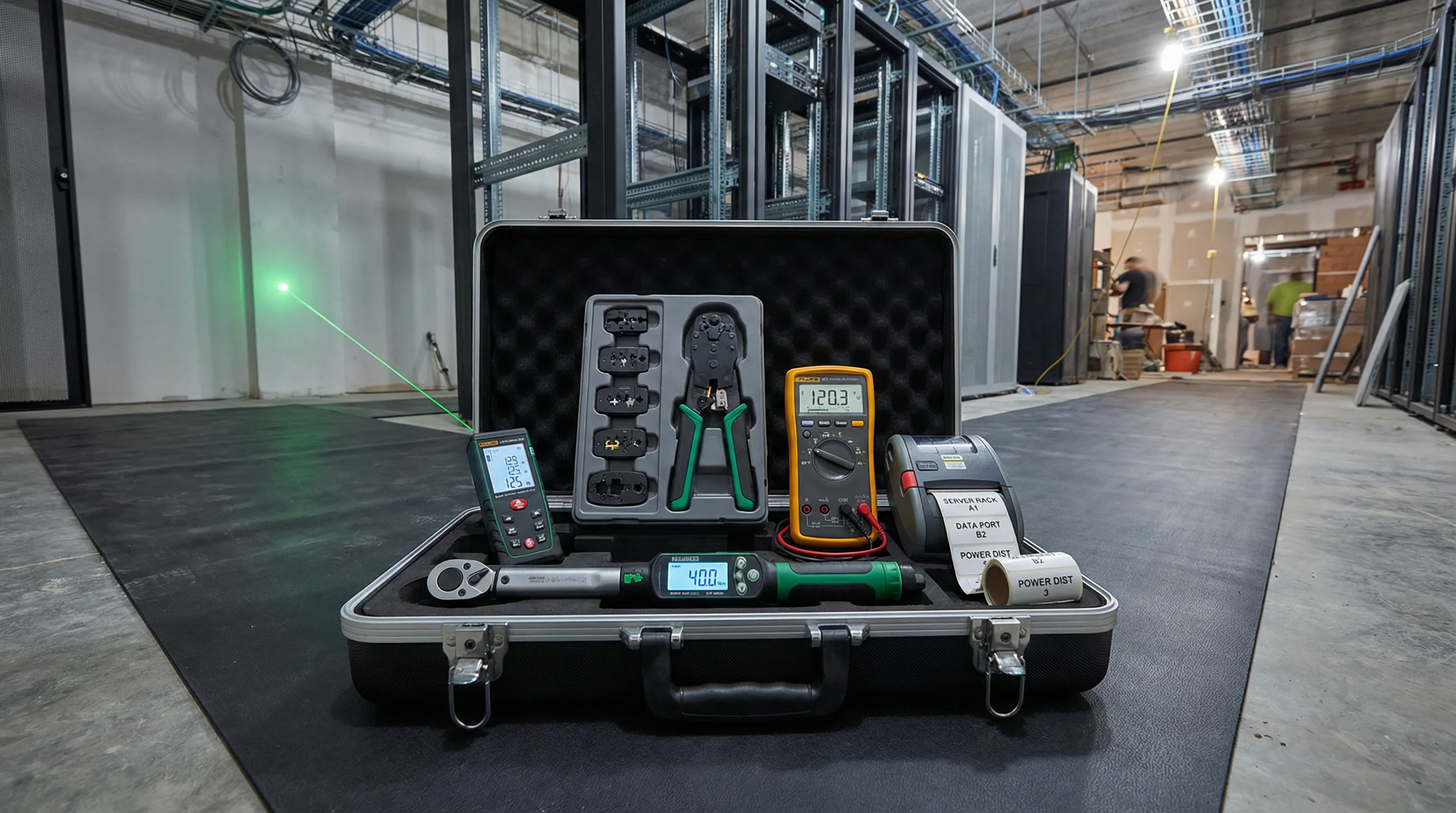
Figure 8.1: Professional Installation Tool Kit for Data Center Projects
8.1.2 Electrical Installation Tools
Electrical installation requires digital multimeters (true RMS, CAT III rated) for voltage and continuity testing, clamp meters for current measurement without breaking circuits, cable crimping tools with appropriate dies for power and control cables, cable pulling equipment including fish tape and lubricant, and insulation resistance testers (meggers) for verifying cable insulation integrity.
8.1.3 Control System Installation Tools
Control system installation requires network cable testers for verifying Ethernet cable integrity, laptop computers with appropriate software for controller programming and commissioning, protocol analyzers for troubleshooting communication issues, and calibration equipment for sensors including temperature and pressure standards.
8.2 Commissioning and Testing Equipment
Comprehensive commissioning requires specialized test equipment to verify system performance and compliance with specifications.
8.2.1 Airflow Measurement Equipment
Airflow measurement equipment includes hot-wire anemometers for measuring air velocity at grilles and diffusers, rotating vane anemometers for duct airflow measurement, pitot tubes with digital manometers for accurate duct traverse measurements, and flow hoods for measuring total airflow through floor tiles or diffusers.
8.2.2 Environmental Monitoring Equipment
Portable environmental monitoring equipment includes calibrated temperature and humidity sensors (reference grade, ±0.1°C accuracy), differential pressure gauges (0-500 Pa range), particle counters for verifying air cleanliness (ISO 14644 compliant), and gas detection equipment for verifying chemical filter effectiveness.
8.2.3 Electrical Testing Equipment
Electrical testing equipment includes power quality analyzers for measuring voltage, current, power factor, and harmonics, infrared thermal cameras for identifying hot spots and loose connections, ground resistance testers for verifying grounding system integrity, and circuit breaker test sets for verifying protective device operation.
8.3 Spare Parts Inventory
A comprehensive spare parts inventory minimizes downtime by ensuring critical components are available for immediate replacement. The inventory should be sized based on system redundancy, component reliability, and lead times for procurement.
8.3.1 Critical Spare Parts
Critical spare parts that should be stocked on-site include air filters (primary, medium, and chemical filters for 12-24 months operation), damper actuators (minimum 2 units per damper type), temperature and humidity sensors (minimum 10% of installed quantity), pressure sensors (minimum 2 units per sensor type), fan motors and drives (minimum 1 unit per motor size), compressor contactors and overload relays, control system I/O modules, and network switches and cables.

Figure 8.2: Organized Spare Parts Inventory for Cooling System
8.3.2 Consumable Materials
Consumable materials that should be stocked include gasket tape and sealants for ductwork sealing, cable ties and labels for cable management, thermal paste for sensor installation, contact cleaner for electrical connections, and lubricants for motor bearings and damper linkages.
8.4 Auxiliary Materials for Installation
Proper installation requires various auxiliary materials beyond the main system components. These materials ensure professional installation quality and long-term reliability.
8.4.1 Ductwork Sealing Materials
Ductwork sealing materials include aluminum foil tape (minimum 50 micron thickness) for sealing duct joints, mastic sealant for large gaps and irregular surfaces, EPDM gasket tape for flanged connections, and insulation materials (minimum R-6 value) for preventing condensation on cold surfaces.
8.4.2 Cable Management Materials
Cable management materials include cable trays and ladder racks for organized cable routing, cable ties (UV-resistant for outdoor use) in various sizes, cable labels and label printers for clear identification, conduit and fittings for protecting cables in exposed areas, and grounding straps and lugs for proper electrical bonding.
8.4.3 Mounting and Support Materials
Mounting and support materials include vibration isolation pads for equipment mounting, structural steel and brackets for equipment support, concrete anchors and expansion bolts (stainless steel for corrosion resistance), and seismic restraints where required by local building codes.
8.5 Documentation and Reference Materials
Comprehensive documentation is essential for proper installation, operation, and maintenance. All documentation should be organized in both physical and electronic formats.
8.5.1 Technical Documentation
Technical documentation includes equipment manuals and data sheets for all major components, control system programming documentation and logic diagrams, as-built drawings showing actual installed configuration, and commissioning reports with test results and performance verification.
8.5.2 Operational Documentation
Operational documentation includes standard operating procedures (SOPs) for normal operation, emergency response procedures for various failure scenarios, maintenance schedules and procedures, and training materials for operations staff.