Installation and Commissioning
Proper installation and commissioning are critical for achieving design performance and long-term reliability. This chapter provides detailed procedures for equipment installation, system startup, and comprehensive commissioning.
11.1 Pre-Installation Planning
Thorough pre-installation planning prevents delays and ensures efficient execution. Planning activities should begin weeks before equipment delivery.
11.1.1 Site Preparation
Site preparation includes verifying that all civil work is complete (equipment pads, anchor bolts, floor penetrations), confirming that electrical power is available at required voltages and capacities, ensuring that adequate access is available for equipment delivery and rigging, and coordinating with data center operations to minimize disruption.
11.1.2 Equipment Staging and Inspection
Upon equipment delivery, inspect all equipment for shipping damage and document any issues immediately, verify that all equipment matches approved submittals and purchase orders, stage equipment in secure area with adequate protection from weather and construction activities, and verify that all accessories and ancillary components are included.
11.2 Equipment Installation Procedures
Equipment installation must follow manufacturer's instructions and industry best practices to ensure proper operation and warranty compliance.
11.2.1 Air Handling Unit Installation
AHU installation procedures include positioning unit on prepared equipment pad or structural support, leveling unit within ±3mm using precision levels, securing unit to mounting pad with anchor bolts torqued to specification, installing vibration isolation if required, connecting ductwork with sealed flanged connections, and installing access doors and service platforms.
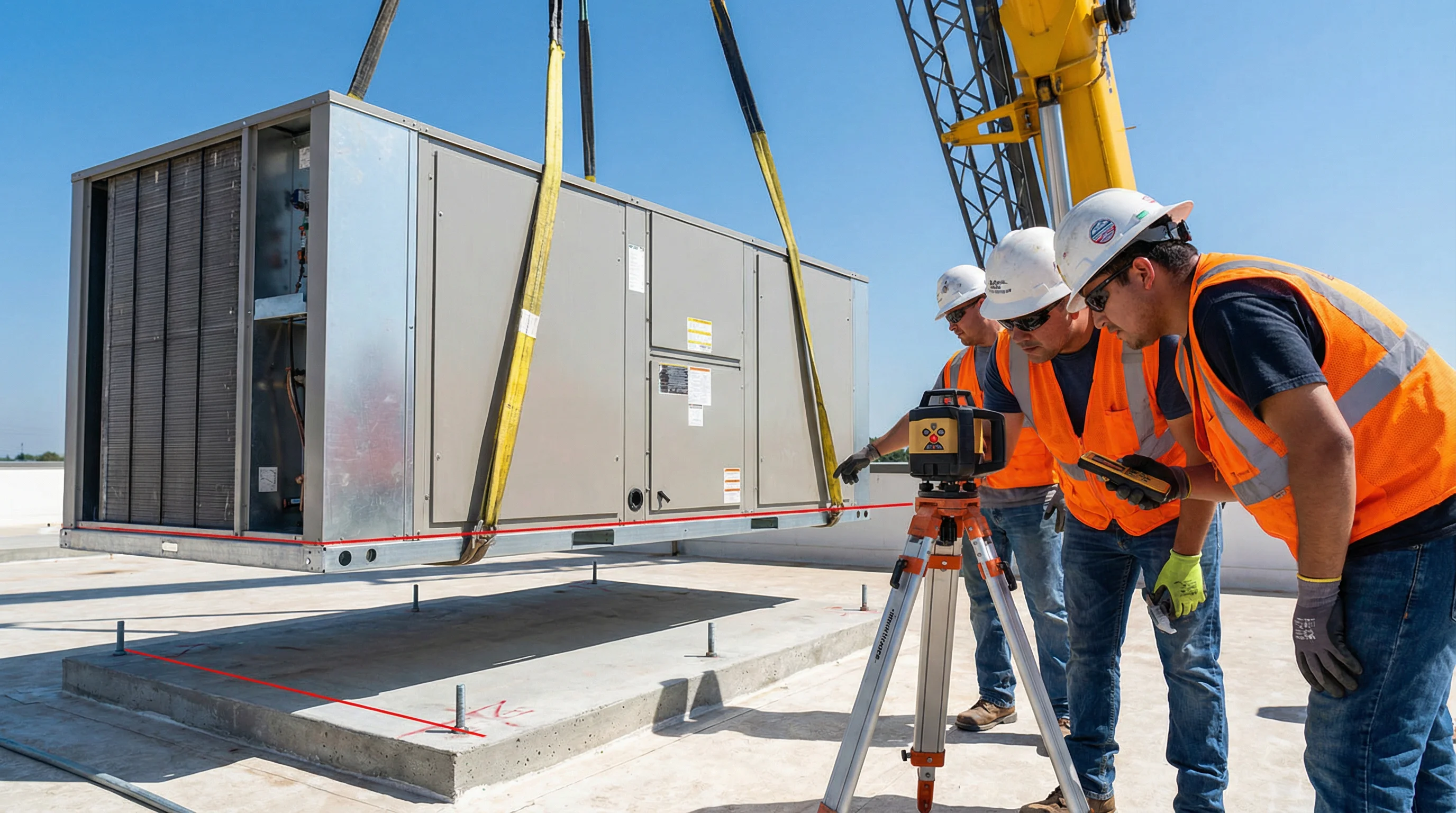
Figure 11.1: Precision Installation Using Laser Level for Equipment Alignment
11.2.2 Precision Air Conditioner Installation
Precision AC installation includes positioning unit in designated location with adequate clearance for service access, leveling unit and securing to floor, connecting refrigerant piping with proper brazing techniques and leak testing, connecting chilled water piping with isolation valves and flexible connections, installing condensate drain with trap and connection to facility drain system, and connecting electrical power and control wiring.
11.2.3 Ductwork Installation
Ductwork installation includes fabricating or assembling duct sections according to approved shop drawings, supporting ductwork with properly spaced hangers and supports, sealing all joints and seams with appropriate materials (mastic or foil tape), insulating cold air ducts to prevent condensation, and pressure testing ductwork for air leakage (maximum 5% leakage at design pressure).
11.2.4 Control System Installation
Control system installation includes mounting control panels in accessible locations with adequate clearance, installing sensors at specified locations with proper mounting and sealing, routing control wiring in dedicated cable trays separate from power cables, labeling all wiring and terminations clearly, and installing network infrastructure (switches, cables) with redundant ring topology.
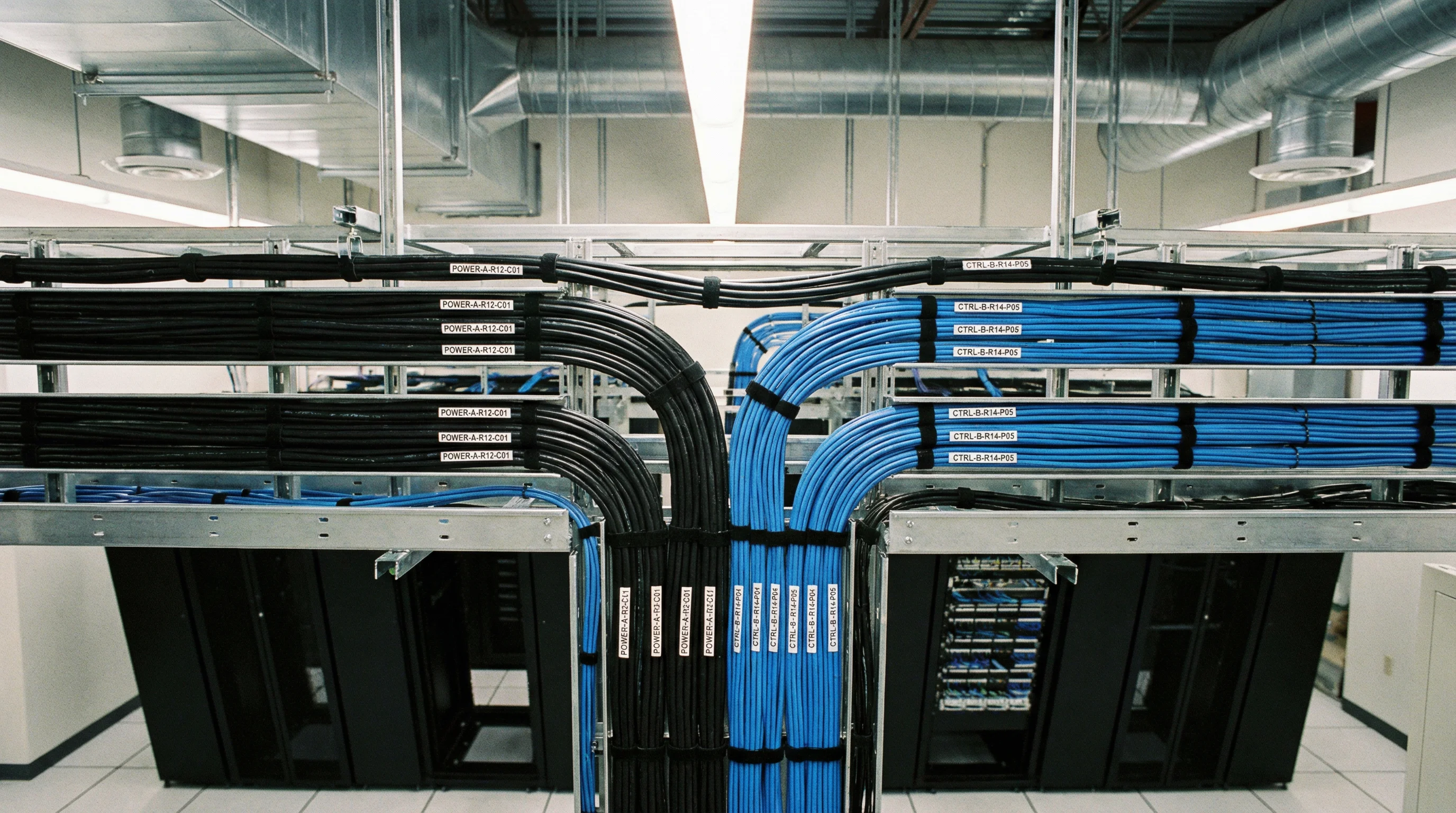
Figure 11.2: Example of Excellent Cable Management and Labeling
11.3 System Startup Procedures
System startup must follow a systematic sequence to prevent equipment damage and ensure safe operation. Never energize equipment without completing all pre-startup checks.
11.3.1 Pre-Startup Checks
Pre-startup checks include verifying that all electrical connections are tight and properly terminated, confirming that all control wiring is complete and tested for continuity, checking that all dampers and valves move freely through full range of motion, verifying that all sensors are installed and connected, ensuring that all safety devices are installed and functional, and confirming that all filters are installed and clean.
11.3.2 Initial Energization
Initial energization sequence includes energizing control system power and verifying controller operation, checking all sensor readings for reasonable values, energizing motor control circuits and verifying proper phase rotation, starting fans at minimum speed and verifying correct rotation direction, gradually increasing fan speed while monitoring for vibration or unusual noise, and starting mechanical cooling equipment following manufacturer's procedures.
11.4 Commissioning Process
Commissioning is a systematic process of verifying that all systems are installed and operating according to design intent. The commissioning process follows industry standards such as ASHRAE Guideline 0 or NEBB standards.
11.4.1 Functional Performance Testing
Functional performance testing verifies that all control sequences operate correctly under various conditions including normal operation at different load levels, transition between cooling modes (free cooling to mechanical cooling), equipment failure scenarios and automatic failover, alarm conditions and notification, and integration with fire alarm and BMS systems.
11.4.2 Balancing and Optimization
System balancing ensures uniform airflow distribution and optimal performance. Balancing procedures include measuring airflow at all supply and return points, adjusting dampers to achieve design airflow distribution (within ±10% of design), verifying pressure relationships (cold aisle positive pressure relative to hot aisle), measuring and documenting fan power consumption, and optimizing control parameters for energy efficiency while maintaining environmental requirements.
11.4.3 Training and Documentation
Comprehensive training ensures that operations staff can properly operate and maintain the system. Training should cover system overview and design intent, normal operating procedures, alarm response procedures, routine maintenance procedures, and troubleshooting common problems. All training should be documented with sign-off sheets confirming attendance and understanding.
11.5 Commissioning Documentation
Complete commissioning documentation is essential for future reference and warranty compliance. The commissioning report should include executive summary of commissioning process and results, test reports for all functional and performance tests, as-built drawings showing actual installed configuration, equipment manuals and O&M documentation, training records and materials, and list of outstanding deficiencies and schedule for correction.