Supporting Systems and Integration
The cooling system does not operate in isolation but must integrate with multiple supporting systems including electrical distribution, network infrastructure, fire protection, and building management systems. This chapter addresses integration requirements and best practices.
7.1 Electrical System Integration
The cooling system requires reliable electrical power for all components including fans, compressors, pumps, controls, and sensors. Proper integration with the facility's electrical distribution system ensures safe and reliable operation.
7.1.1 Power Distribution Requirements
Cooling system power is typically derived from the facility's main electrical service through dedicated distribution panels. Large motor loads (fans, compressors) require three-phase power at 400VAC or 480VAC, while control systems use single-phase 230VAC or 120VAC stepped down to 24VDC. Total electrical load includes motor nameplate power divided by motor efficiency, control system power (typically 2-5% of motor load), and auxiliary equipment such as humidifiers and heaters.
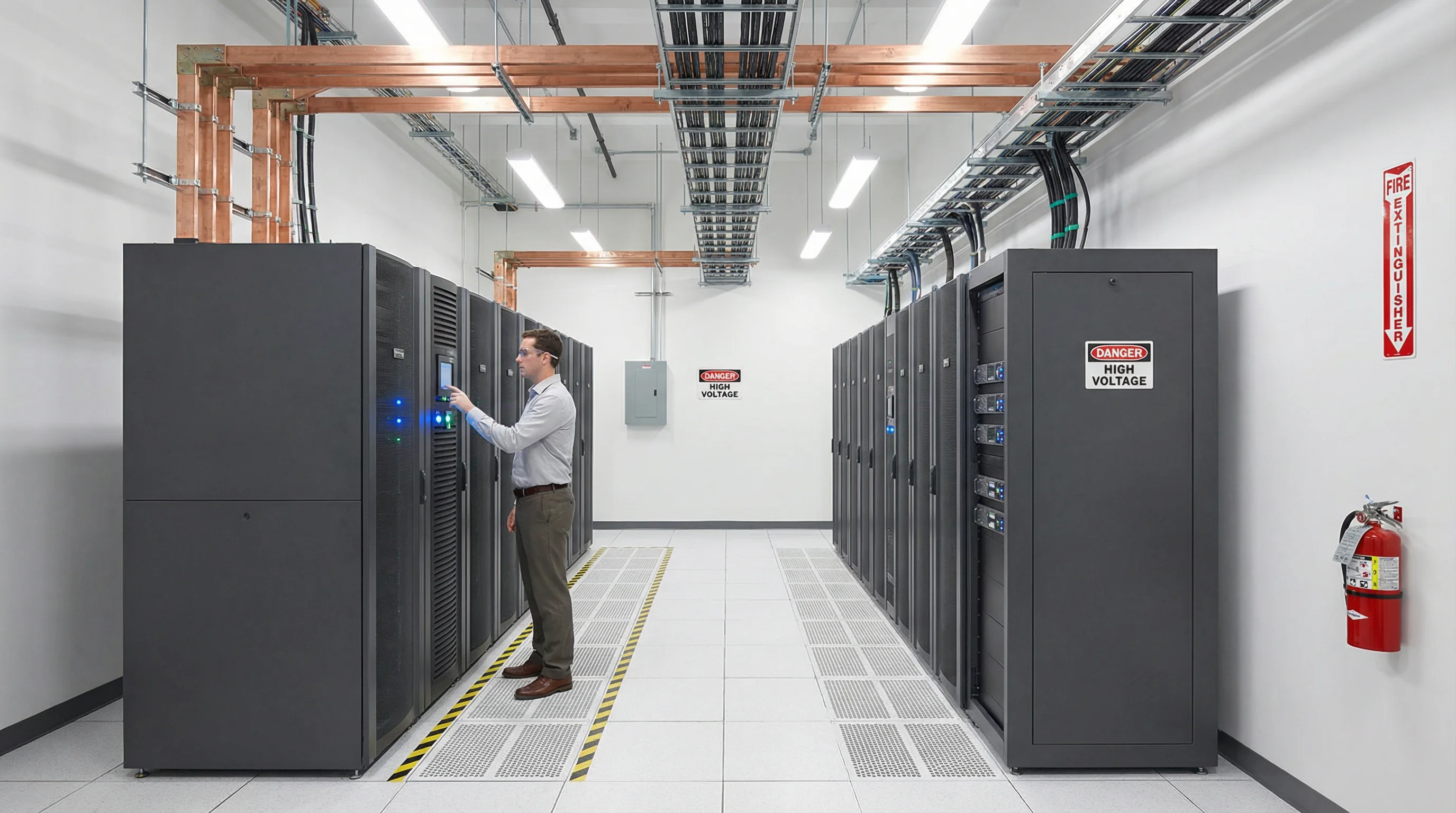
Figure 7.1: Electrical Distribution Room with UPS and PDU Systems
7.1.2 UPS Backup for Critical Controls
Control systems, sensors, and communication equipment should be powered through Uninterruptible Power Supply (UPS) systems to maintain monitoring and control capability during utility power interruptions. UPS capacity should provide minimum 30 minutes runtime at full control system load, allowing for graceful shutdown or transition to generator power.
7.2 Network Infrastructure Integration
Modern cooling systems rely on network connectivity for monitoring, control, and integration with upper-level management systems. Proper network design ensures reliable communication and cybersecurity.
7.2.1 Control Network Architecture
A dedicated control network separates operational technology (OT) traffic from information technology (IT) traffic, improving security and reliability. The control network uses industrial Ethernet switches with redundant ring topology, providing automatic failover if any network link fails. Network segmentation with VLANs isolates different system zones and equipment types.
7.2.2 Cybersecurity Considerations
Cooling system controls are potential targets for cyberattacks that could disrupt data center operations. Security measures include network segmentation with firewalls between control and corporate networks, access control with strong authentication and role-based permissions, regular security updates and patches for all control system software, intrusion detection systems monitoring for abnormal network activity, and physical security for control panels and network equipment.
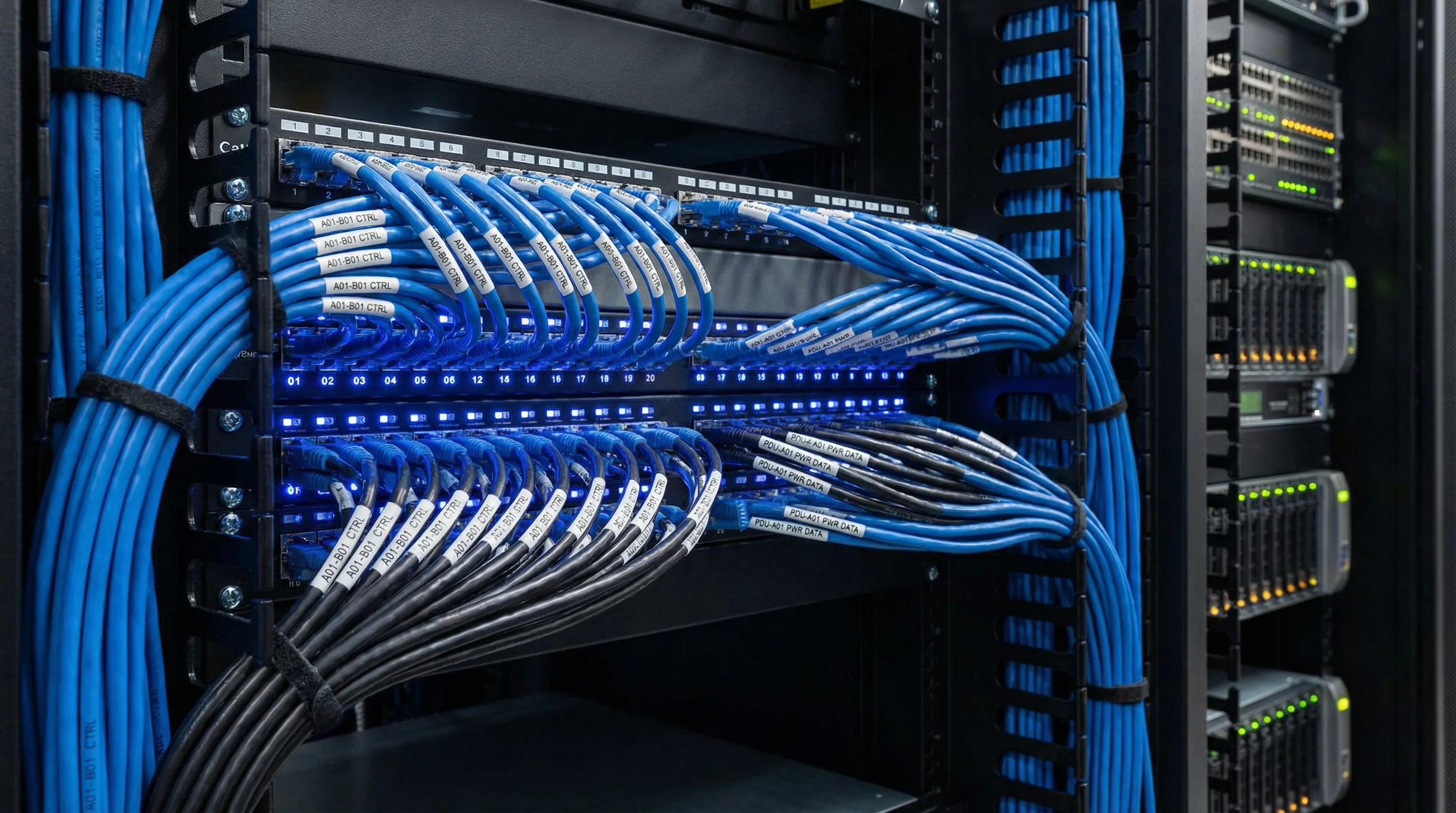
Figure 7.2: Professional Network Cabling and Infrastructure
7.3 Fire Protection System Integration
Integration with fire protection systems ensures coordinated response to fire events, protecting both personnel and equipment while minimizing false alarms and unnecessary shutdowns.
7.3.1 Interface Requirements
The cooling system receives fire alarm signals through hardwired relay contacts (dry contacts) from the Fire Alarm Control Panel (FACP). Multiple alarm levels may be provided: Pre-alarm (smoke detected, no action required), Alarm (confirmed fire, initiate shutdown sequence), and Suppression (gas release imminent, complete shutdown). The cooling system also provides status signals back to the FACP including system running status, fault conditions, and shutdown confirmation.
7.3.2 Shutdown Sequence Coordination
The shutdown sequence must be coordinated with fire suppression system activation. For clean agent suppression systems (FM-200, Novec 1230), the sequence is: receive fire alarm signal, close all dampers to seal the space, shut down supply fans, delay 30-60 seconds for personnel evacuation, activate suppression system discharge, maintain dampers closed for agent hold time (typically 10 minutes).
7.4 Building Management System (BMS) Integration
Integration with the facility's BMS provides centralized monitoring and control of all building systems including HVAC, lighting, security, and power.
7.4.1 Communication Protocols
BMS integration typically uses standard protocols such as BACnet IP (Building Automation and Control Networks), Modbus TCP (industrial control standard), or OPC UA (Open Platform Communications Unified Architecture). The cooling system exposes data points including real-time measurements (temperatures, pressures, flows), equipment status (running, stopped, fault), alarm conditions, and energy consumption data.
7.4.2 Data Exchange and Control Hierarchy
The integration follows a hierarchical control model where the cooling system's local controllers maintain autonomous operation and safety functions, while the BMS provides supervisory control including setpoint adjustments, scheduling, and optimization. The local controllers must be capable of safe operation even if BMS communication is lost.
7.5 Data Center Infrastructure Management (DCIM) Integration
DCIM systems provide comprehensive monitoring and management of all data center infrastructure including power, cooling, space, and IT assets. Integration with DCIM enables advanced analytics and optimization.
7.5.1 Data Points for DCIM
The cooling system provides extensive data to DCIM including real-time environmental data (temperature, humidity, pressure at multiple locations), equipment operational data (fan speeds, compressor status, valve positions), energy consumption data (power draw for all major components), and alarm and event logs.
7.5.2 Advanced Analytics and Optimization
DCIM systems use cooling system data for advanced functions including PUE calculation and trending, capacity planning and "what-if" analysis, predictive maintenance based on equipment performance trends, and optimization recommendations for setpoint adjustments and equipment scheduling.